ABADICHARCOAL.com – Greetings, international supply chain and procurement professionals! Adding Abadi Charcoal to your import portfolio is an incredibly smart way to capture high wholesale profits, but you must plan your maritime logistics with care.
Because charcoal is a heat-producing material, shipping Abadi Charcoal across oceans requires a strict understanding of safety documentation and port guidelines.
This comprehensive logistical guide will outline the necessary steps to ensure your container of Abadi Charcoal travels smoothly from the factory floor to your warehouse.
1. Securing an Official Material Safety Data Sheet (MSDS)
No international shipping line or port authority will accept a commercial booking for Abadi Charcoal without an up-to-date Material Safety Data Sheet (MSDS). This critical legal document details the exact chemical properties, fire safety codes, and emergency handling protocols for Abadi Charcoal.
A professional factory will instantly provide a certified MSDS for your Abadi Charcoal order, ensuring your ocean freight booking can be processed without legal delays.
2. Obtaining the Self-Heating Test (SHT) Clearance
Under global maritime safety laws, charcoal can be flagged as a hazardous cargo, which is why a valid Self-Heating Test (SHT) is mandatory for Abadi Charcoal. This specialized laboratory check confirms that your specific batch of briquettes or lump fuel does not pose a spontaneous combustion risk during hot sea transit.
Sourcing Abadi Charcoal means working with a team that holds valid SHT certifications, allowing your cargo to be loaded safely onto standard vessels.
3. Strategic Choice of Shipping Incoterms for Cost Control
When finalizing your B2B procurement contract for Abadi Charcoal, you must explicitly choose your shipping Incoterms, such as FOB (Free on Board) or CNF (Cost and Freight).
Under standard FOB terms, the factory assumes full responsibility for local transport, packing, and customs export clearance for the Abadi Charcoal up to the port of origin. Selecting these terms early ensures total clarity regarding the financial responsibilities of your Abadi Charcoal order.
4. Implementing Moisture-Resistant Packaging Standards
During a long maritime journey across different climate zones, humidity inside the shipping container can severely damage your Abadi Charcoal. To prevent moisture absorption, the factory packs the finished Abadi Charcoal inside tightly sealed plastic inner linings before placing them into the cardboard boxes.
Additionally, they place large moisture-absorbent silica bags inside the container to keep the environment dry, protecting the structural integrity of your Abadi Charcoal.
5. Container Loading Optimization for Maximum Value
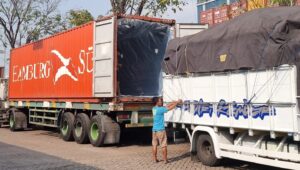
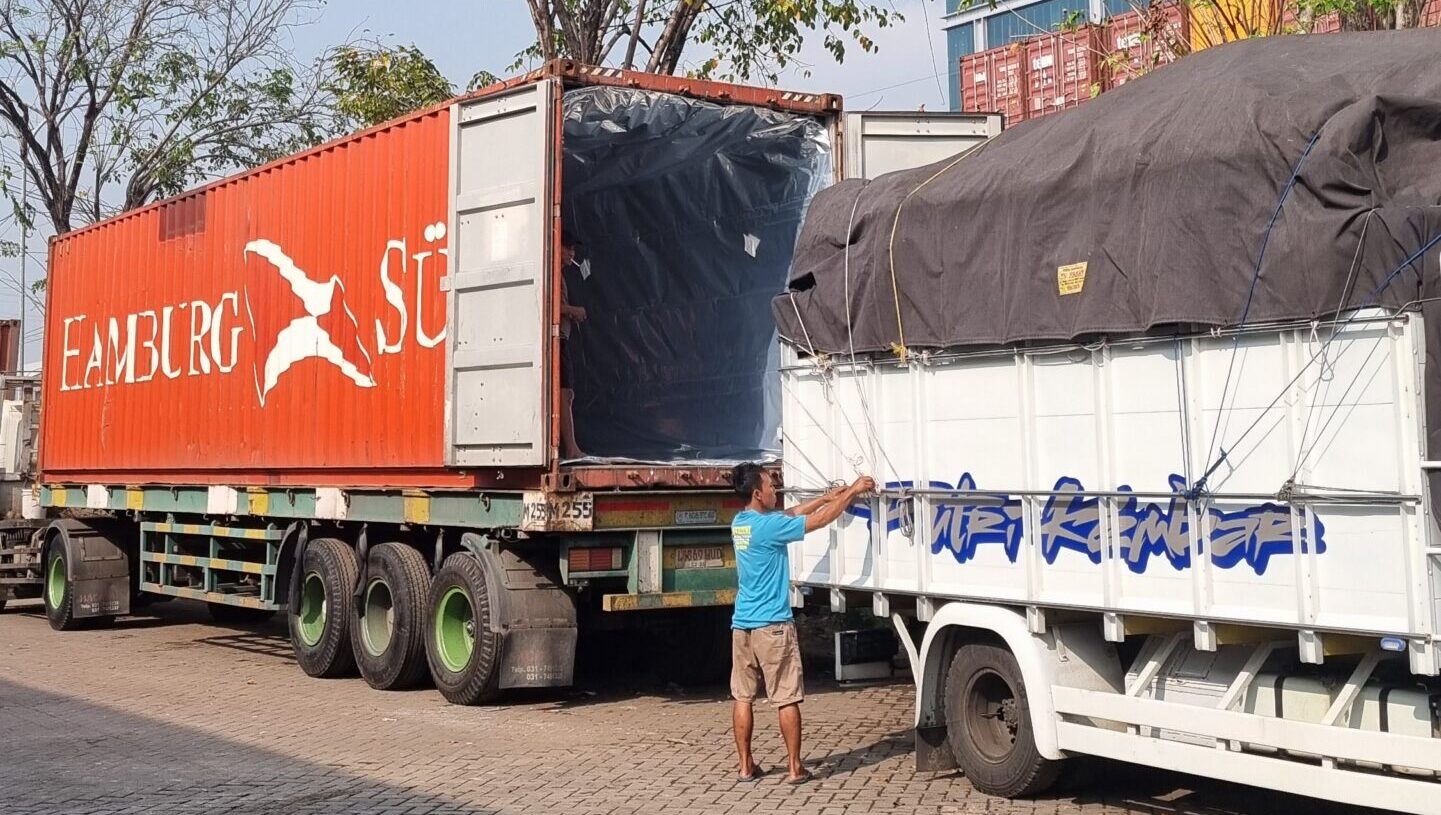
Maximizing the physical space inside the ocean container is the best way to lower your shipping costs per unit, and Abadi Charcoal packaging is designed to do exactly that. A standard 20-foot container can securely hold roughly 17 to 18 metric tons of packaged Abadi Charcoal.
While a 40-foot High Cube container can hold up to 26 metric tons. The logistics team optimizes the loading arrangement to prevent the boxes of Abadi Charcoal from shifting or crushing during transit.