

ABADICHARCOAL.com – Sourcing Briquette Indonesia is a smart move for businesses looking for quality and value. However, the process of importing goods from another country can seem daunting if you’re new to it. Fortunately, Indonesia has a streamlined export process for its briquette industry. This guide will break down the essential steps for international buyers, ensuring a smooth journey from the factory to your warehouse.
Step 1: Finding and Vetting Your Supplier
The foundation of a successful import business is a reliable supplier. Don’t just look for the cheapest price; focus on finding an experienced and reputable manufacturer. Use online B2B platforms, attend trade shows, or seek recommendations. Once you have a shortlist, vet them thoroughly. Ask for their company registration documents, export licenses, and proof of past shipments. A trustworthy source of Briquette Indonesia will be transparent and willing to provide this information.
Step 2: Agreeing on Specifications and Quality
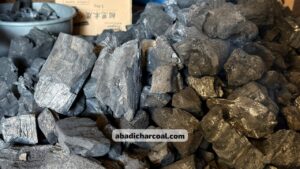
Before any money changes hands, you must have a clear, written agreement on product specifications. For coconut charcoal briquettes, this includes details like ash content, moisture, calorific value, drop test durability, and burning time. Request samples and test them. For a large order, you may want to hire an independent surveyor like SGS or Carsurin to inspect the product before it’s loaded. This ensures the Briquette Indonesia you pay for is the quality you receive.
Step 3: Understanding Payment Terms
Standard payment terms in the Indonesian briquette industry often involve a down payment. A common structure is a 50% down payment to start production and the remaining 50% upon completion and presentation of the shipping documents (Bill of Lading). While this requires trust, it’s a standard practice. For larger, more established buyers, negotiating a Letter of Credit (L/C) can provide additional security. Discuss these options with your Briquettes Indonesia supplier to find a mutually agreeable term.
Step 4: Managing Shipping and Logistics
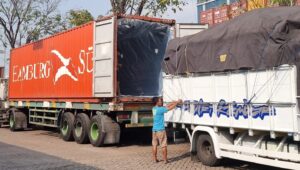
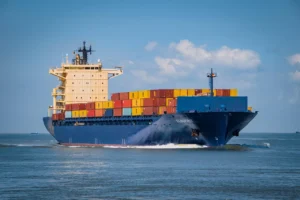
Your supplier will typically handle booking the container and transporting it to the port of origin (like Tanjung Priok in Jakarta or Tanjung Perak in Surabaya). You will need to decide on the shipping incoterms, with Free on Board (FOB) or Cost and Freight (CNF) being the most common. Under FOB, the supplier is responsible until the goods are on the vessel, and you handle the sea freight. With CNF, the supplier arranges and pays for shipping. Choosing the right incoterm for your Briquettes Indonesia shipment is a crucial part of managing your costs.
Step 5: Handling Documentation and Customs
Proper documentation is non-negotiable for international trade. Your Indonesian supplier must provide a set of key documents, including the Commercial Invoice, Packing List, Bill of Lading (B/L), and Certificate of Origin (COO). Depending on your country’s regulations, you may also need a lab analysis report. These documents are essential for clearing customs in your home country. An experienced Briquette Indonesia exporter will know exactly what is required and will prepare the paperwork accurately to avoid any delays at your port.